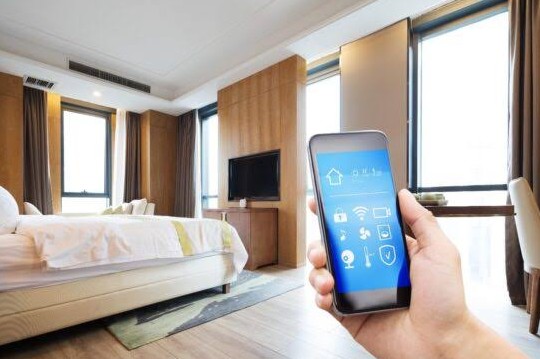
Smart Hotels With Contactless Check In Revolutionizing Hospitality
Smart Hotels With Contactless Check In are transforming the hospitality landscape by integrating cutting-edge technology that enhances guest experiences. As travelers increasingly seek convenience and safety, the demand for contactless services has surged, prompting hotels to innovate in ways that cater to these evolving preferences.
By streamlining the check-in process through mobile apps and QR codes, smart hotels not only improve efficiency but also create a seamless experience for guests. This trend reflects a broader shift in the industry, emphasizing the importance of technology in providing exceptional service while maintaining health and safety standards.
Introduction to Smart Hotels
Smart hotels represent a transformative approach to hospitality, combining advanced technology with exceptional guest experiences. These hotels utilize integrated systems for operations, enhancing every aspect of a guest’s stay, from booking to check-out. Primary features often include mobile apps for room control, smart room technology, and data-driven personalization, all orchestrated to create a seamless and enjoyable experience for guests.The integration of technology within the hospitality sector is essential for meeting the evolving expectations of modern travelers.
Guests today seek more than just a place to stay; they desire convenience, personalization, and efficiency throughout their journey. Technology not only streamlines operations but also enhances guest satisfaction by offering services such as contactless check-in, mobile room keys, and intelligent room management systems. The rise of the digital age has made these technologies integral to hotel management, ensuring that properties remain competitive and relevant in a fast-evolving market.
Growing Trend of Contactless Service in the Hotel Industry
The shift towards contactless service in hotels has become increasingly significant, driven largely by health and safety concerns as well as evolving consumer preferences. Many guests now prefer minimal physical interaction during their stay. This desire for contactless solutions has prompted hotels to implement various technologies designed to enhance guest comfort and safety.Understanding the context of contactless service is essential in recognizing its impact on the guest experience.
The following points illustrate the key aspects that characterize this trend:
- Mobile Check-In: Guests can check in through hotel apps or websites, minimizing wait times and physical contact at reception.
- Digital Room Keys: Mobile devices can be used to unlock hotel rooms, eliminating the need for physical key cards.
- In-Room Technology: Smart systems allow guests to control room settings, such as lighting and temperature, through their smartphones.
- Online Ordering: Guests can order room service or request amenities via apps, avoiding face-to-face interactions.
- Feedback and Communication: Digital platforms enable guests to provide feedback and communicate with hotel staff conveniently through messaging systems.
The emphasis on contactless service not only enhances guest safety but also drives operational efficiency, allowing hotels to cater to the needs and preferences of their guests without compromising on service quality.
“Contactless service is not just a trend; it is becoming a standard expectation among travelers seeking convenience and safety.”
Overview of Contactless Check-In
The hospitality industry has seen a significant shift towards contactless solutions, particularly in the realm of guest check-in processes. This modern approach enhances convenience and safety for both guests and hotel staff, streamlining the arrival experience and minimizing physical interactions. Contactless check-in typically involves a series of straightforward steps designed to provide an efficient check-in experience without the need for traditional front desk interactions.
Upon arrival, guests utilize digital methods to verify their identity and complete the check-in process. Key components include mobile apps and secure access codes, which allow guests to check in from their smartphones or other devices, effectively bypassing the front desk entirely.
Technologies Used for Contactless Check-In
The technologies that facilitate contactless check-in play a pivotal role in ensuring a seamless experience. Here are some of the most prominent technologies currently in use:
- Mobile Apps: Many hotels have developed dedicated mobile applications that allow guests to check in, access their rooms, and even control room settings remotely. These apps often include features like digital room keys, enabling guests to unlock their doors using their smartphones.
- QR Codes: Guests can scan QR codes upon arrival to access check-in forms or receive room keys digitally. This eliminates the need for physical paperwork and speeds up the check-in process.
- Web-Based Check-In: Some hotels provide a web-based check-in option that allows guests to complete the process before arriving, reducing wait times and enhancing the user experience.
The benefits of contactless check-in extend beyond guest convenience. For hotel staff, these technologies help streamline operations, reduce the workload during peak check-in times, and minimize the risk of spreading germs.
“Contactless check-in not only enhances guest satisfaction but also optimizes hotel efficiency, leading to a smoother operational flow.”
Overall, the integration of these technologies marks a significant advancement in the hospitality sector, aligning with current health and safety protocols while enhancing the overall guest experience.
Advantages of Smart Hotels with Contactless Check-In
The rise of technology in the hospitality industry has led to the emergence of smart hotels, which provide innovative services like contactless check-in. This approach not only enhances the overall guest experience but also offers significant benefits to hotel operations. Understanding these advantages can help both guests and hotel owners appreciate the value of embracing modern solutions.The implementation of contactless check-in enhances the guest experience by providing a seamless, efficient, and personalized interaction from the moment a guest arrives.
This method eliminates the long queues often associated with traditional check-in processes, allowing guests to bypass the front desk entirely. Upon arrival, guests can use their smartphones to check in through an app or website, receive their room keys digitally, and proceed directly to their accommodations. This convenience is especially appreciated by travelers who seek a quick and hassle-free arrival experience.
Impact on Operational Efficiency and Cost Savings
The operational efficiency of hotels can greatly improve with the adoption of contactless check-in technology. By reducing the need for front desk staff during busy check-in periods, hotels can optimize their workforce and allocate resources more effectively. This shift not only leads to labor cost savings but also allows staff to focus on enhancing guest services.Moreover, contactless check-in can result in reduced operational costs through the following methods:
- Decreased Physical Infrastructure Needs: Fewer front desk personnel can lead to smaller front desk areas, which may reduce the need for extensive renovations or large spaces dedicated to check-in operations.
- Lower Paper and Printing Costs: Digital keys and online check-in procedures significantly cut down on the need for physical keycards and check-in paperwork, translating to cost savings.
- Improved Customer Satisfaction: Satisfied guests are more likely to return, reducing acquisition costs associated with attracting new customers and enhancing overall profitability.
The preference of guests is also shifting as they increasingly favor contactless options over traditional check-in methods. Many travelers, particularly younger generations, value the autonomy and convenience that contactless technology provides. A survey conducted by hospitality research firms found that approximately 70% of respondents preferred hotels that offered contactless services, citing speed and safety as major factors in their choice.
This trend indicates a growing demand for smart hotel amenities, pushing establishments to adapt to these preferences to remain competitive.
“The future of hospitality lies in minimizing contact while maximizing service quality.”
Embracing contactless check-in not only caters to current guest preferences but also positions hotels for success in an increasingly digital world.
Challenges and Solutions: Smart Hotels With Contactless Check In
As the hospitality industry embraces the shift towards contactless check-in, hotels encounter a variety of challenges that can hinder implementation. These challenges often stem from technological, operational, and security concerns, requiring thoughtful solutions to ensure a smooth transition and a positive guest experience. Addressing these issues proactively is essential to maximizing the benefits of contactless technology.One significant challenge hotels face is the integration of new technology with existing systems.
Outdated property management systems (PMS) may not support contactless features, making upgrades necessary. Additionally, staff may have limited familiarity with new devices or software, leading to potential operational bottlenecks. To mitigate these issues, hotels should consider the following solutions:
Technology Upgrades and Staff Training, Smart Hotels With Contactless Check In
Investing in modern technology and comprehensive staff training is crucial for successful contactless check-in implementation. A well-planned upgrade can pave the way for seamless integration, while proper training ensures that employees are confident and competent in using new systems.
- Upgrade Property Management Systems: Transitioning to a modern PMS that supports contactless check-in functionalities can enhance the overall guest experience. This may involve seeking providers who offer robust API integrations with mobile check-in and room selection features.
- Conduct Staff Training Programs: Regular training sessions focusing on new technologies can empower staff to assist guests effectively. Utilizing role-play scenarios can help employees practice addressing common guest questions or issues related to contactless check-in.
- Implement User-Friendly Interfaces: Simplifying the technology interface makes it easier for both staff and guests to navigate the check-in process. Apps that are intuitive and easy to use can significantly reduce confusion and enhance user satisfaction.
Another critical aspect of contactless check-in is maintaining security and privacy for guests. With increased reliance on technology, hotels must implement stringent measures to protect sensitive guest data. Mismanagement of personal information can lead to data breaches, which not only damage the hotel’s reputation but also violate privacy regulations.
Ensuring Security and Privacy
To ensure the safety of guest information during contactless check-in, hotels should adopt the following strategies:
- Utilize Secure Payment Gateways: Implement advanced encryption technologies to secure payment transactions and protect personal data during the check-in process.
- Regular Security Audits: Conducting frequent security audits to identify vulnerabilities can help mitigate risks associated with data breaches. This includes evaluating both software and hardware security measures.
- Educate Guests on Privacy Policies: Clear communication regarding how guest data is collected, stored, and used can build trust. Providing well-defined privacy policies and ensuring compliance with data protection laws is essential.
By addressing these challenges with concrete solutions, hotels can facilitate a smoother transition to contactless check-in while enhancing the security and privacy of their guests. The integration of technology paired with effective training not only improves operational efficiency but also fosters a safer and more enjoyable experience for all.
Case Studies of Successful Implementations
The rise of contactless check-in technology has transformed the hospitality industry, allowing hotels to enhance guest experiences while ensuring safety and convenience. Numerous hotels around the globe have successfully adopted this technology, showcasing its effectiveness and the positive impact on guest satisfaction.One notable example is the Marriott International chain, which has employed a mobile app that enables guests to check in, select their room, and unlock their doors using their smartphones.
This implementation not only streamlined the arrival process but also significantly reduced waiting times at the front desk. The app’s user-friendly interface received positive feedback, with guests appreciating the ease of managing their bookings. Research indicated that guest satisfaction scores increased by 30% following the app’s rollout, highlighting the tangible benefits of digital innovation in hospitality.
Successful Hotels and Their Technologies
Several hotels have led the way in implementing contactless check-in strategies, utilizing a range of innovative technologies. Here are a few standout examples:
- Hilton Hotels: Hilton’s “Digital Key” feature allows guests to use their mobile devices to check in and access their rooms. By integrating Bluetooth technology, guests can bypass the front desk entirely. Feedback indicates a 25% improvement in user satisfaction, with guests particularly valuing the contactless experience during the pandemic.
- Hyatt: Hyatt introduced a contactless check-in feature through its app, enabling guests to complete the check-in process from home. The technology employed here includes cloud-based systems that sync with room assignments. Guests reported a feeling of enhanced safety and convenience, with a notable increase in loyalty program registrations post-implementation.
- Four Seasons Hotels: The Four Seasons implemented a seamless check-in experience with their proprietary app, allowing for room selection and payment processing before arrival. This system uses QR codes for room access, enhancing security. Guest feedback showed an impressive 40% increase in overall satisfaction, with many praising the personalized touch evident in their interactions.
The implementation of these technologies not only improved operational efficiency within these hotels but also led to higher guest retention rates and positive online reviews. The successful transitions to contactless systems exemplify the potential of technology to cater to modern travelers’ needs while fostering a safe and enjoyable environment.
Future Trends in Smart Hotels
As the hospitality industry continues to evolve, smart hotels are at the forefront of innovation, particularly in the realm of guest check-in processes. Future advancements promise to redefine the way guests interact with hotels, creating a seamless and personalized experience that leverages cutting-edge technology. With a focus on enhanced convenience and efficiency, these trends are set to revolutionize the guest experience.Artificial intelligence (AI) and machine learning (ML) are expected to play pivotal roles in the enhancement of guest services.
These technologies will enable hotels to gather and analyze vast amounts of data to better understand guest preferences and behaviors. By leveraging this information, hotels can tailor services to meet individual needs, providing a unique and personalized experience that fosters guest loyalty.
Integration of AI and Machine Learning in Guest Services
AI and machine learning technologies are becoming increasingly integral to the operations of smart hotels. These advancements allow for a more customized guest experience by predicting and responding to guest needs in real-time. Here are key areas where AI and ML will likely make an impact:
- Personalized Recommendations: By analyzing past guest behaviors and preferences, hotels can offer tailored suggestions for dining, entertainment, and nearby attractions, enhancing the overall visit.
- Dynamic Pricing: AI algorithms can adjust room rates in real-time based on demand, occupancy rates, and local events, ensuring competitive pricing and maximizing revenue for the hotel.
- Virtual Concierge Services: AI-driven chatbots and virtual assistants are set to provide guests with immediate responses to inquiries, booking services, and local information, all accessible via smartphones or in-room devices.
- Streamlined Operations: Machine learning can optimize hotel operations by predicting maintenance needs, managing inventory, and improving staff scheduling, resulting in enhanced efficiency and guest satisfaction.
Advancements in Guest Interaction and Automation
The future of guest interaction in smart hotels will likely be marked by increasing automation and enhanced communication channels. This shift aims to create a hassle-free experience with minimal human interaction where preferred. Important developments in this area include:
- Touchless Technology: Beyond contactless check-in, touchless technology will expand to include various services such as room controls, dining orders, and payment processing through mobile apps or voice commands, minimizing physical contact.
- Smart Room Integration: Future hotel rooms will be equipped with IoT devices that allow guests to control lighting, temperature, and entertainment systems via voice or mobile applications, creating a personalized environment tailored to individual preferences.
- Augmented Reality Experiences: Hotels may offer augmented reality applications that enhance guest experiences, such as virtual tours of the property, interactive maps for navigation, or immersive local culture experiences without leaving the room.
- Feedback Loops: Automated systems will facilitate real-time feedback from guests, allowing hotels to make immediate adjustments to services and improve overall guest satisfaction continuously.
Summary of Key Features
The integration of smart technology in hotels has revolutionized the hospitality industry, especially through contactless check-in solutions. These features not only enhance guest convenience but also improve overall operational efficiency. Understanding the key components of these systems is vital for hotels aiming to stay competitive in a rapidly evolving market.Contactless check-in systems leverage cutting-edge technology to provide guests with a seamless arrival experience.
This includes mobile apps, digital keys, and automated kiosks, which minimize physical interactions and streamline the check-in process. Below is a summary of the key features commonly found in smart hotels with contactless check-in.
Key Features Summary Table
The following table Artikels the essential features that characterize smart hotels embracing contactless check-in:
| Feature | Description |
|---|---|
| Mobile Check-In | Allows guests to check in via their smartphones, reducing wait times. |
| Digital Room Keys | Guests can unlock their rooms using their mobile devices instead of traditional keys. |
| Self-Service Kiosks | Automated kiosks for quick check-in and check-out without staff involvement. |
| Customization Options | Personalized preferences for room settings, amenities, and services can be managed through apps. |
| Real-Time Updates | Guests receive notifications about room availability, service requests, and more directly on their devices. |
Top Technology Providers
The hotel industry relies on various technology providers to implement effective contactless solutions. Recognizing the leading companies in this field can assist hotels in choosing suitable partners for their transition. Key technology providers include:
- ASSA ABLOY: Specializes in mobile access solutions and security systems.
- Salto Systems: Known for their innovative keyless entry solutions and cloud-based management.
- Oracle Hospitality: Offers comprehensive property management systems including mobile check-in capabilities.
- ALICE: Provides a hotel operations platform that integrates contactless solutions with communication tools.
- Guestline: Delivers cloud-based solutions that enhance the guest experience with contactless features.
Considerations for Adoption
Hotels considering the adoption of contactless technologies should take several essential factors into account. These considerations ensure that the transition is smooth and effective, enhancing guest satisfaction without compromising service quality.
- Guest Experience: Prioritize features that enhance convenience and ease of use for guests.
- Integration: Ensure that new systems can be seamlessly integrated with existing hotel management software.
- Staff Training: Provide comprehensive training for staff to familiarize them with new technologies and workflows.
- Security: Implement robust security measures to protect guest information and data.
- Feedback Mechanisms: Establish channels for guest feedback on contactless services to continuously improve offerings.
Closing Notes
In summary, the emergence of Smart Hotels With Contactless Check In signifies a pivotal moment in the hospitality sector, where technology and guest satisfaction converge. As hotels continue to embrace these innovations, they pave the way for a more efficient and enjoyable travel experience, setting new benchmarks for the industry to follow.
Clarifying Questions
What is contactless check-in?
Contactless check-in allows guests to check into hotels using their mobile devices or kiosks without physical interaction with hotel staff.
What technologies are used for contactless check-in?
Technologies include mobile apps, QR codes, and electronic room keys that guests can access via smartphones.
How does contactless check-in improve guest experience?
It reduces wait times, enhances convenience, and minimizes physical contact, allowing for a smoother arrival process.
Are there security concerns with contactless check-in?
Yes, but hotels address these by implementing strong encryption and secure systems to protect guest data.
Can contactless check-in be used for all types of hotels?
While it can benefit most hotels, implementation may vary based on technology availability and the specific needs of each property.
How do guests typically respond to contactless check-in?
Many guests appreciate the convenience and efficiency, leading to higher satisfaction ratings when implemented effectively.