Hospitable Spaces for Business Hotels With Conference Rooms
Hotels With Conference Rooms offer the perfect blend of comfort and functionality for both business travelers and organizations looking to host events. These spaces play a crucial role in facilitating productive meetings, networking opportunities, and successful conferences, making them a vital asset for any hotel. With a range of amenities and features tailored to suit various types of events, these conference rooms are designed to enhance the overall experience for attendees and organizers alike.
From modern technology to versatile layouts, the right conference room can significantly impact the success of your event. Whether you’re planning a small team meeting or a large corporate seminar, understanding the offerings of hotels with conference rooms can help ensure a seamless experience. Let’s delve into what you should consider when selecting the perfect venue for your next gathering.
Overview of Hotels With Conference Rooms
Hotels equipped with conference rooms play a crucial role in the business and event planning sectors. They serve as versatile venues that provide essential spaces for meetings, conferences, and other corporate functions. The convenience of having a professional setting within a hotel allows organizers to streamline their event planning, making it easier for attendees to travel and stay overnight, thereby maximizing productivity and engagement.
Typical hotel conference rooms come with a range of amenities and features designed to facilitate successful events. These rooms are often equipped with advanced audiovisual equipment, high-speed internet connectivity, and flexible seating arrangements. Additionally, many hotels provide catering services, allowing for meals and refreshments to be served right on-site. The presence of support staff is another significant advantage, as they can assist with technical needs and ensure that events run smoothly.
Amenities and Features of Hotel Conference Rooms
The amenities and features found in hotel conference rooms are essential for creating an effective meeting environment. Understanding these facilities can help event planners choose the right venue for their needs. Here are some common offerings:
- Advanced Audiovisual Equipment: Many conference rooms are equipped with projectors, screens, sound systems, and microphones to facilitate presentations.
- High-Speed Internet Access: Reliable Wi-Fi is typically provided for all attendees to enhance communication and accessibility of digital resources.
- Flexible Layout Options: Conference rooms often offer various configurations, such as boardroom, theater, or classroom styles, allowing organizers to tailor the space to their specific requirements.
- Catering Services: On-site dining options ranging from coffee breaks to full meals help keep participants energized throughout the event.
- Support Staff Availability: Dedicated personnel are available to assist with event setup, technical support, and catering coordination.
Types of Events Hosted in Hotel Conference Rooms
Hotel conference rooms are ideal venues for a variety of events that require a professional atmosphere. The types of events that can be hosted in these spaces include:
- Corporate Meetings: Regular meetings for team updates, strategy discussions, or brainstorming sessions can effectively utilize conference rooms.
- Workshops and Training Sessions: These spaces are conducive to interactive workshops, where participants can engage in hands-on learning and collaboration.
- Seminars and Webinars: Conference rooms can comfortably accommodate guest speakers and panel discussions, often enhanced by technological support.
- Networking Events: Hotels frequently host events designed to connect professionals, allowing for growth and partnership opportunities.
- Social Gatherings and Banquets: Many hotels provide multifaceted spaces that can be adapted for formal dinners, receptions, and celebrations.
“Having a dedicated conference room in a hotel transforms the event planning experience, offering convenience and a professional setting that enhances productivity.”
Factors to Consider When Choosing a Hotel with Conference Rooms
Choosing the right hotel with conference rooms is crucial for the success of your event. Several factors come into play when making this decision, as they can significantly impact the experience of your attendees and the overall effectiveness of the conference. This guide Artikels key criteria that should be considered to ensure that the venue meets your needs and expectations.
Key Criteria for Selecting Conference Facilities, Hotels With Conference Rooms
When selecting a hotel for your conference, it’s essential to evaluate various criteria that can affect the overall success of your event. These criteria include the size and layout of the conference rooms, the availability of additional spaces for breakout sessions, and the hotel’s reputation regarding service quality.
- Room Capacity: Ensure that the conference rooms can accommodate your expected number of attendees comfortably. Overcrowding can lead to dissatisfaction and decreased engagement.
- Room Layout Options: Different events require different layouts (e.g., theater, classroom, or U-shape). Confirm that the hotel can provide the layout you need.
- Accessibility: The hotel should be easily accessible for all attendees, particularly for those with disabilities. Consider entrance ramps, elevators, and other accessibility features.
- On-Site Support: Check if the hotel offers dedicated event coordinators and technical support to assist with setup and troubleshooting during the event.
Significance of Location for Accessibility
The hotel’s location plays a critical role in ensuring that attendees can easily reach the venue. A well-located hotel can enhance attendance and reduce travel stress for your guests.
The right location minimizes barriers to attendance, enhancing the overall experience for your guests.
A central location, for example, can be more appealing, especially if public transport links and parking options are adequate. Additionally, consider proximity to local attractions or amenities that might enhance your attendees’ experience outside of the conference.
Importance of Available Technology and Equipment
Modern conferences heavily rely on technology for presentations, communication, and engagement. Therefore, ensuring that the hotel provides state-of-the-art technology and the necessary equipment is paramount.
- Audio-Visual Equipment: Check for high-quality projectors, screens, microphones, and sound systems. A reliable setup is essential for effective presentations.
- Wi-Fi Connectivity: Ensure that the hotel offers strong and reliable internet access for all attendees, particularly for those who may need to connect devices during the event.
- Technical Support: Having on-site technical support can provide peace of mind, knowing that professionals are available to address any issues that may arise.
- Video Conferencing Capabilities: If some attendees will join remotely, ensure the hotel has the necessary technology for effective virtual participation.
Popular Types of Conference Room Configurations
Conference rooms are essential spaces for collaboration, discussions, and presentations in various business environments. The way a conference room is configured can significantly impact the effectiveness of meetings and events. Selecting the right layout is crucial not only for comfort but also for achieving the objectives of the gathering.Different configurations cater to specific needs, whether it’s a presentation, training session, or a brainstorming meeting.
Understanding the various layouts available allows organizations to tailor their approach and maximize both space and engagement. Here are some popular configurations along with their benefits and ideal uses.
Theater Style
Theater style is one of the most commonly used setups for large gatherings. This configuration involves rows of chairs facing the front of the room, allowing for a clear view of the speaker or presentation screen.
- Ideal Use: Best suited for presentations, product launches, or keynote speeches where the primary focus is on the speaker.
- Benefits: Accommodates a large audience, optimizes sightlines, and creates an efficient use of space. This layout is particularly beneficial for events that prioritize speaker engagement over interaction among attendees.
Classroom Style
In a classroom-style layout, tables are arranged in rows with chairs facing the front. This setup encourages note-taking and interaction during presentations.
- Ideal Use: Perfect for training sessions or workshops where participants need to engage with materials and presentations actively.
- Benefits: Provides a workspace for attendees, facilitates group discussions, and allows for easy access to writing materials. This configuration strikes a balance between presentation and interaction.
U-Shape Configuration
The U-shape layout consists of tables arranged in a U formation, with chairs placed around the outside. This configuration is designed to enhance participation and discussion.
- Ideal Use: Great for meetings that require collaboration, brainstorming sessions, and focused discussions among a smaller group.
- Benefits: Encourages open dialogue, allows all participants to see each other, and facilitates easy interaction with the presenter. This layout is particularly effective for smaller groups, often accommodating 10 to 30 participants.
Boardroom Style
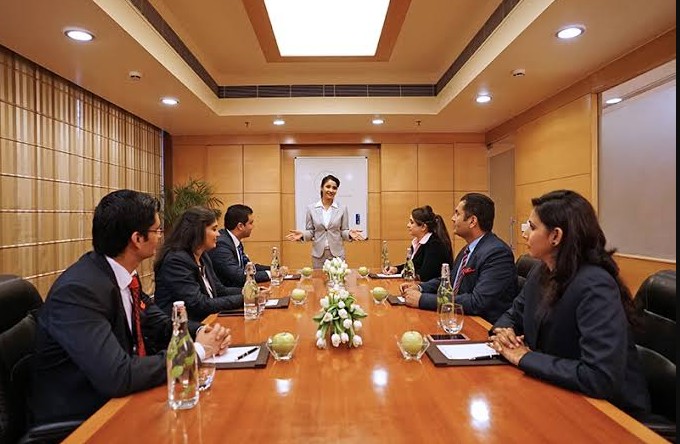
The boardroom style features a large table surrounded by chairs, promoting a collaborative atmosphere for discussions and decision-making.
- Ideal Use: Commonly used for executive meetings, strategy sessions, and discussions that require input from all members.
- Benefits: Provides an intimate setting that fosters participation while allowing for a clear view of presentation materials. This layout enhances communication and decision-making among executives and team leaders.
Comparison of Configurations
Selecting the right conference room layout should consider the type of event and the number of attendees. Here’s a comparison of common configurations based on their audience capacity and purpose:
| Configuration | Audience Size | Best Use |
|---|---|---|
| Theater Style | 50+ | Presentations and lectures |
| Classroom Style | 20-50 | Training and workshops |
| U-Shape | 10-30 | Collaborative meetings |
| Boardroom Style | 8-20 | Executive discussions |
Each configuration offers distinct advantages, making it vital to evaluate the specific needs of your event to select the most appropriate setup. By doing so, organizations can enhance engagement, maximize productivity, and create a more effective meeting environment.
Services Offered by Hotels with Conference Rooms
Hotels equipped with conference rooms typically extend a range of complementary services designed to enhance the overall experience of your event. These offerings not only streamline the planning process but also ensure that all aspects of the event are professionally managed and executed. One of the key advantages of utilizing hotels with conference facilities is the array of additional services that come bundled with your room rental.
These services help in creating a seamless experience for both organizers and attendees.
Catering Options
Catering is a crucial component of any conference or meeting, as it contributes significantly to attendee satisfaction and engagement. Hotels often provide various catering options tailored to meet diverse dietary preferences and event themes. The following are common catering choices available at hotels:
- Breakfast Buffets: Offering a range of items from pastries and fruits to hot options like eggs and bacon, these buffets help kickstart the day.
- Lunch Packages: These can include plated lunches or buffet-style meals with choices ranging from salads to hearty entrees, ensuring there’s something for everyone.
- Snack Breaks: Mid-morning or afternoon breaks with coffee, tea, and light snacks like cookies or granola bars keep participants energized.
- Customized Menus: Many hotels allow organizers to collaborate with culinary teams to create bespoke menus that align with the theme of the event.
Offering a variety of catering options enhances the overall event experience by accommodating different tastes and dietary needs while also providing an opportunity for networking during meal breaks.
Event Planners and Support Staff
Hotels that provide conference facilities often include dedicated event planners and support staff whose roles are pivotal to the success of any gathering. These professionals assist in coordinating logistics, ensuring that everything runs smoothly from start to finish.The roles they play include:
- Event Coordination: Help in planning the schedule, coordinating with vendors, and setting up the venue according to the client’s vision.
- Technical Support: Providing assistance with audio-visual equipment, internet connectivity, and other technical requirements essential for presentations.
- On-site Management: Ensuring everything is in place on the day of the event, addressing any last-minute issues that may arise.
- Guest Services: Assisting attendees with check-in, directions, and any queries, contributing to a welcoming atmosphere.
The involvement of professional event planners and support staff allows hosts to focus on engaging with their guests and delivering a successful event, making it a valuable investment for organizations of all sizes.
Case Studies of Hotels with Successful Conference Facilities
In the competitive landscape of hospitality, certain hotels stand out for their exceptional conference facilities and services. These venues not only provide suitable spaces for events but also offer various amenities that enhance the overall experience for attendees and organizers alike. This section highlights a few notable hotels renowned for their conference services, detailing the specific features that contribute to their success.One such example is The Ritz-Carlton, Atlanta, which boasts over 20,000 square feet of event space, including a grand ballroom capable of accommodating large gatherings.
The hotel offers dedicated event planners who assist in every aspect of event organization, ensuring that each detail is meticulously managed. Additionally, the on-site catering service delivers a range of customizable dining options that cater to different tastes and dietary requirements.Another exemplary venue is the JW Marriott Marquis Miami, recognized for its state-of-the-art facilities and cutting-edge technology. With 80,000 square feet of meeting space, this hotel provides versatility for various types of events, from corporate meetings to large conventions.
Features such as high-speed internet, audio-visual equipment, and dedicated break-out areas ensure that conferences run smoothly and efficiently.The Westin St. Francis in San Francisco is also notable for its historic charm combined with modern amenities. With more than 55,000 square feet of meeting space, it offers flexibility for different event sizes and styles. The hotel has embraced sustainability, implementing green practices in event planning, which appeals to organizations seeking environmentally responsible venues.
Comparative Features of Conference Offerings
To better understand the strengths of each hotel, the following table Artikels key features of their conference facilities:
| Hotel Name | Event Space (sq ft) | Number of Meeting Rooms | Catering Options | Special Features |
|---|---|---|---|---|
| The Ritz-Carlton, Atlanta | 20,000 | 15 | Customizable menus | Dedicated event planners |
| JW Marriott Marquis Miami | 80,000 | 50 | Full-service catering | High-speed internet, AV equipment |
| The Westin St. Francis, San Francisco | 55,000 | 32 | Farm-to-table options | Sustainability initiatives |
The success of these hotels in hosting events stems from their commitment to providing exceptional service, modern amenities, and unique features that cater to the diverse needs of conference organizers and attendees. Their ability to adapt to changing demands and incorporate innovative solutions ensures that they remain competitive in the hospitality industry.
Trends in Conference Room Design and Technology
As the demands of modern business evolve, so do the designs of conference rooms. Today’s conference spaces are not just about aesthetics; they play a crucial role in fostering productivity and collaboration. Organizations are increasingly recognizing the importance of creating environments that cater to the needs of diverse teams while integrating the latest technological advancements.The impact of technology on conference room functionality cannot be overstated.
With innovations shaping how teams communicate and collaborate, conference rooms are becoming more than just spaces for meetings. They are now equipped with tools that enhance interaction and streamline processes, making them indispensable in any hotel that hosts corporate events.
Current Trends in Conference Room Design
The transformation of conference room design is marked by several key trends that enhance productivity. Here are some notable elements:
- Flexible Spaces: Modern conference rooms often incorporate movable furniture and partition walls that allow for reconfiguration based on group size and meeting type, promoting versatility.
- Biophilic Design: Integrating natural elements such as plants, natural light, and organic materials helps reduce stress and increase focus among participants.
- Collaborative Tools: Whiteboards and smart boards are increasingly common, enabling real-time brainstorming and note-taking, which enhances engagement during meetings.
- Acoustic Solutions: With an emphasis on soundproofing and acoustic panels, conference rooms are designed to minimize distractions and improve communication clarity.
- Minimalist Aesthetic: Clean lines and uncluttered designs help create a calm atmosphere conducive to focused discussions and creativity.
Impact of Technology Advancements
Advancements in technology have significantly influenced the functionality of conference rooms. These innovations have reshaped how teams engage with each other and foster collaboration. Key technological features include:
- High-Quality Audio-Visual Equipment: State-of-the-art projectors, screens, and sound systems are essential for clear presentations and effective communication, ensuring that all participants, whether remote or in-person, feel included.
- Wireless Connectivity: High-speed Wi-Fi and Bluetooth connectivity allow seamless integration of personal devices, making it easier for participants to share content and contribute during meetings.
- Smart Room Systems: Automated controls for lighting, temperature, and equipment enhance the user experience by allowing easy adjustments to create an optimal meeting environment.
- Digital Collaboration Tools: Platforms like Zoom, Microsoft Teams, and Slack are integrated into conference room systems, enabling hybrid meetings that include remote participants effectively.
Integration of Virtual Meeting Capabilities
The rise of remote work has led to the increased integration of virtual meeting capabilities in hotel conference rooms. This shift has made it essential for hotels to provide comprehensive solutions that cater to both in-person and virtual attendees. Important features to consider include:
- High-Definition Video Conferencing: Ensuring that cameras capture all participants clearly, creating an inclusive experience for remote attendees.
- Virtual Reality (VR) Options: Some hotels are beginning to explore VR technology, allowing remote participants to feel as if they are physically present in the conference room.
- Multi-Platform Compatibility: Rooms are equipped to support various meeting platforms, allowing teams to use their preferred software without technical issues.
- Integrated Chat and Collaboration Tools: Features that allow chat and document sharing among attendees help bridge the gap between in-person and remote participation.
Potential Challenges When Booking Conference Rooms in Hotels
Booking conference rooms in hotels can be a straightforward process, yet it often comes with its own set of challenges. Understanding these potential hurdles can help organizers prepare better, ensuring smooth operations during the event. From miscommunication to unexpected costs, being aware of these issues can save time and resources, allowing for a more successful meeting or conference experience.
One common issue that arises when reserving conference rooms is the misalignment of expectations. This can happen when the specifics of the booking, such as room capacity, layout, and equipment needs, are not clearly communicated between the organizer and hotel staff. Such misunderstandings may lead to unsuitable venues or insufficient resources, causing frustration for both planners and attendees. Additionally, conflicts with other bookings can occur, especially in hotels that are popular for events, leading to double bookings or scheduling errors.
Common Issues Encountered
To effectively manage these challenges, it’s crucial to be proactive. Here are some common issues that may arise and strategies to mitigate them:
- Miscommunication: Ensure clear communication regarding requirements such as seating arrangements, AV equipment, and catering needs. A detailed event specification document can help clarify expectations.
- Overbooking: Confirm the reservation a few days before the event and have a backup plan in case the assigned room is not available. It’s wise to inquire about the hotel’s policy on overbookings during the initial discussions.
- Hidden Costs: Always ask for a full breakdown of costs associated with the booking. This includes room rental fees, set-up charges, and any additional service fees to prevent budget overruns.
- Inadequate Amenities: Visit the venue beforehand to ensure it meets all your requirements. Check on the availability of Wi-Fi, projectors, and other essential facilities.
Addressing these potential drawbacks early on can significantly improve the conference experience for both attendees and organizers. Ensuring clear communication and thorough planning goes a long way in avoiding issues and ensuring a successful event.
Final Thoughts: Hotels With Conference Rooms
In summary, choosing a hotel with conference rooms is a vital step in ensuring a successful event. By considering factors such as location, technology, and available services, you can create an environment that fosters productivity and collaboration. As trends in design and technology continue to evolve, these spaces are becoming increasingly efficient and adaptable, making them an essential choice for any business engagement.
Detailed FAQs
What types of events can be hosted in hotel conference rooms?
Hotel conference rooms can host a variety of events, including corporate meetings, seminars, workshops, banquets, and social gatherings.
How can I ensure the conference room meets my technical needs?
When booking, clearly communicate your technical requirements, such as audiovisual equipment or Wi-Fi needs, to the hotel staff to ensure they can accommodate you.
Are catering services typically included when renting a conference room?
Many hotels offer catering services, but it’s essential to inquire about options and pricing when making your reservation.
Can I customize the layout of the conference room?
Most hotels allow you to customize the room layout to suit your event’s needs, such as classroom, theater, or U-shape configurations.
What should I do if I encounter booking conflicts?
If conflicts arise, promptly communicate with hotel management to resolve the issue. Having a clear contract can also help prevent misunderstandings.